Why Integrate Smart Glass into Minimalist and Contemporary Interior Designs?
Minimalist and contemporary interior designs have long been celebrated for their clean lines, open spaces, and an emphasis on simplicity and function. As these design philosophies continue to evolve, the integration of smart glass—particularly switchable privacy glass—has emerged as a key innovation that enhances both the aesthetic and functional aspects of these spaces. This article explores how smart glass aligns with the principles of minimalist and contemporary design, offering a seamless blend of technology, privacy, and elegance.
The Essence of Minimalism and Contemporary Design
At its core, minimalism is about stripping away the unnecessary to focus on the essentials. This design approach emphasizes the use of space, light, and form to create environments that are both visually pleasing and functionally efficient. Contemporary design, while sharing some similarities with minimalism, also embraces modern materials and technologies, often incorporating innovative solutions to meet the demands of today's lifestyles.
Both design styles value simplicity, clarity, and an unadorned aesthetic. In such environments, every element must serve a purpose, and visual clutter is avoided at all costs. This is where smart glass, particularly switchable privacy glass, fits perfectly.
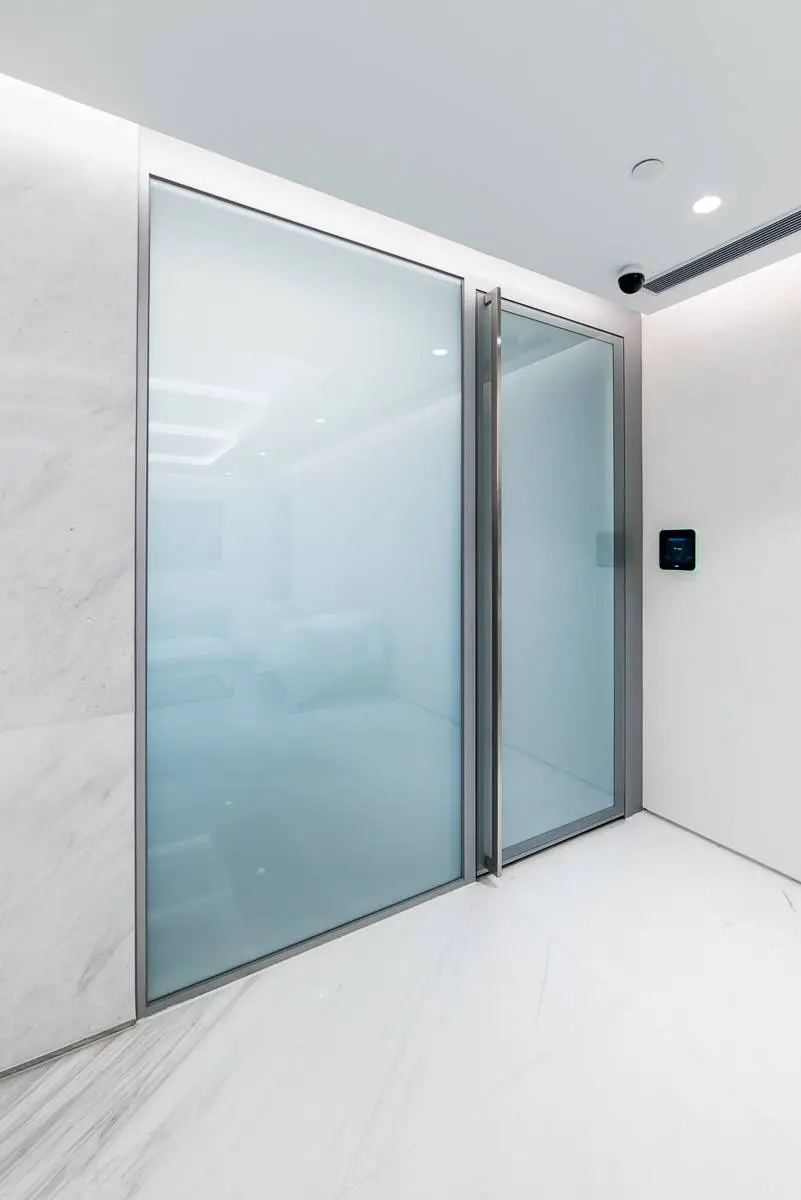
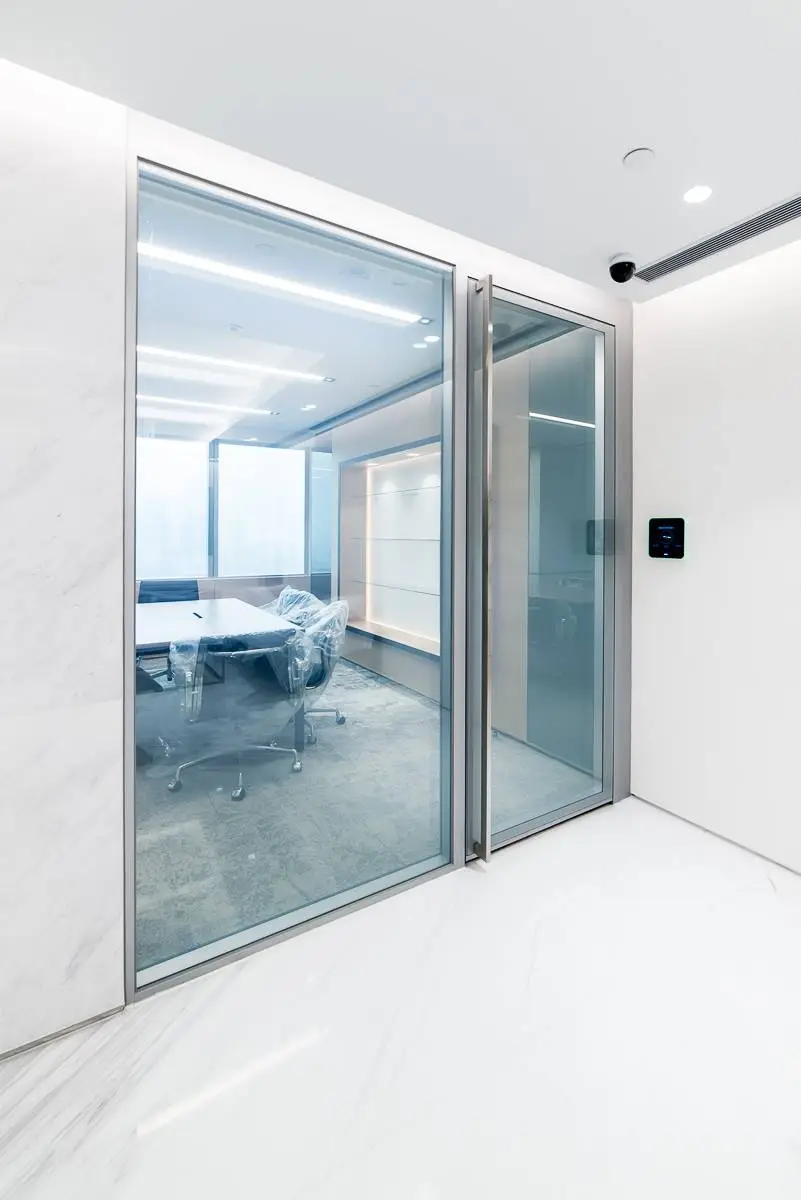
The Role of Smart Glass in Minimalist Spaces
Switchable privacy glass, which can transition from transparent to opaque at the touch of a button, offers a dynamic solution for maintaining the open, airy feel of minimalist spaces while providing the option for privacy when needed. Here are several ways smart glass enhances minimalist and contemporary interiors:
-
Space Optimization: Minimalist interiors often feature open floor plans with few walls, creating a sense of spaciousness. However, this openness can sometimes compromise privacy. Smart glass partitions or walls solve this dilemma by allowing spaces to be visually connected when transparency is desired, or separated when privacy is needed, all without the need for traditional, space-consuming walls.
-
Uninterrupted Sightlines: One of the hallmarks of minimalist design is the creation of uninterrupted sightlines, which enhance the feeling of openness and continuity. Switchable privacy glass maintains these sightlines when clear, preserving the visual flow of a space. When opacity is required, the transition is smooth and unobtrusive, keeping the overall aesthetic intact.
-
Enhanced Natural Light: Natural light is a critical element in both minimalist and contemporary designs. Smart glass allows for maximum light penetration when transparent, brightening interiors and reducing the need for artificial lighting. This not only creates a more inviting environment but also supports energy efficiency, a key consideration in sustainable design practices.
-
Seamless Integration with Technology: Contemporary design often includes the integration of cutting-edge technology that enhances the functionality and comfort of a space. Smart glass is a prime example, offering not just privacy control but also potential integration with smart home systems. With the ability to be controlled via smartphones or voice commands, switchable glass adds a high-tech element that aligns with the forward-thinking nature of contemporary interiors.
-
Minimal Maintenance, Maximum Impact: Unlike traditional blinds, curtains, or frosted glass that require regular cleaning or can age poorly, switchable privacy glass offers a low-maintenance solution. Its ability to change states instantly means there is no need for physical coverings, reducing dust accumulation and maintenance efforts, which is in keeping with the minimalist ethos of simplicity and efficiency.
Creative Applications of Smart Glass
The versatility of smart glass allows for creative applications that push the boundaries of minimalist and contemporary design. Here are a few inspiring examples:
-
Room Dividers: Use switchable glass as a room divider in open-plan apartments or offices. When transparency is desired, the space feels expansive and connected; when privacy is needed, the glass can turn opaque, creating private zones without the permanence of solid walls.
-
Windows and Skylights: In spaces where privacy is a concern but the connection to the outdoors is still desired, smart glass windows or skylights offer a solution. They provide the option of unobstructed views or complete privacy while maintaining a sleek, modern appearance.
-
Bathroom Enclosures: In high-end contemporary bathrooms, switchable glass can be used for shower enclosures or walls, allowing for an open, luxurious feel when clear, and instant privacy when needed.
-
Furniture Design: Forward-thinking designers are even incorporating smart glass into furniture, such as conference tables or display cases, adding a futuristic touch to minimalist interiors.
Conclusion
Integrating smart glass into minimalist and contemporary interior designs is more than just a trend; it’s a natural evolution of these design philosophies. By offering flexibility, enhancing natural light, and contributing to the clean, uncluttered aesthetic that defines these styles, switchable privacy glass is proving to be an invaluable tool for architects and interior designers. As technology continues to advance, smart glass is likely to become an even more integral part of creating beautiful, functional, and adaptable spaces that resonate with the simplicity and sophistication at the heart of minimalist and contemporary design.
Hashtag: #SmartGlass #MinimalistDesign #ContemporaryInteriors #InteriorDesign #ArchitecturalInnovation #SwitchablePrivacyGlass #ModernLiving #DesignTrends #SustainableDesign #HomeAutomation #GLASSTINTE

