The Architect's Guide to Incorporating Smart Glass: Enhancing Design, Efficiency, and Sustainability
In the ever-evolving landscape of architectural design, the integration of smart glass has emerged as a pivotal element, offering architects a unique palette to create not just visually stunning but also technologically advanced and environmentally responsible buildings. This article delves into the reasons why architects should consider incorporating smart glass into their designs, exploring its multifaceted benefits that range from enhancing aesthetic appeal to improving energy efficiency and promoting sustainable practices.
### 1. **Enhancing Aesthetics and Flexibility**
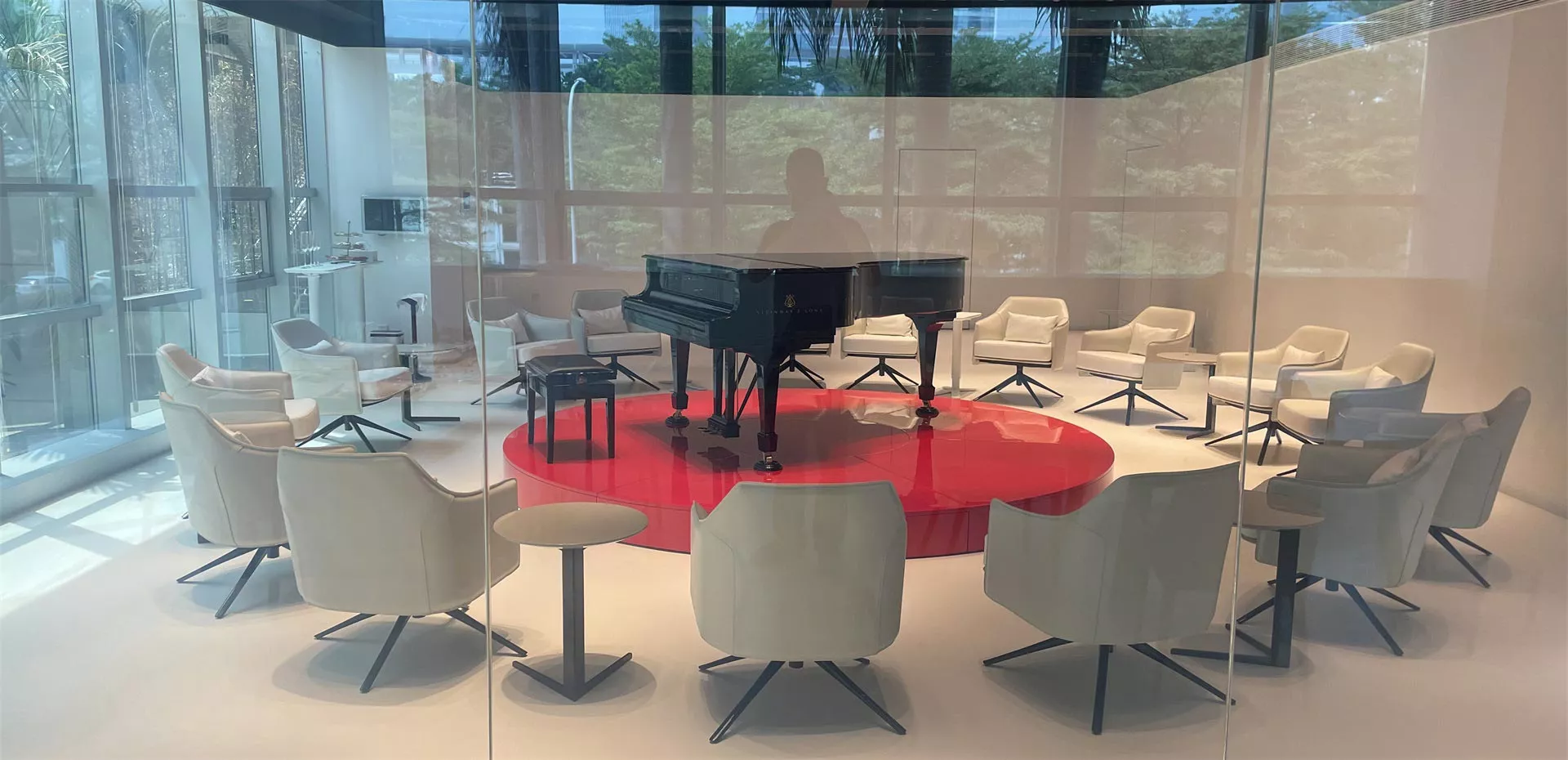
Smart glass, with its ability to change color or transparency at the touch of a button or through remote control, offers architects unparalleled flexibility in creating dynamic facades and interior spaces. This technology allows for the seamless blending of natural light and privacy, enabling designers to craft environments that adapt to various lighting conditions and user preferences. For instance, in high-end residential projects, smart glass can be used to create dynamic partitions that adjust according to the time of day or the level of privacy required, thus enhancing both functionality and the overall aesthetic appeal of the space.

### 2. **Energy Efficiency and Cost Savings**
One of the most compelling reasons for architects to consider smart glass is its potential to significantly reduce energy consumption. Traditional windows can account for up to 30% of a building's energy loss during winter and gain during summer. Smart glass, however, can mitigate this issue by dynamically adjusting its tint, effectively controlling the amount of heat and light entering a building. This results in lower heating and cooling costs, contributing to a more sustainable building envelope. Moreover, the savings on energy bills can offset the initial higher cost of smart glass over conventional glass, making it a financially viable choice in the long run.
### 3. **Promoting Sustainable Practices**
In an era where sustainability is increasingly paramount, smart glass plays a crucial role in advancing green building standards. By optimizing natural light usage, reducing reliance on artificial lighting, and managing solar heat gain, smart glass helps in achieving green building ratings. This not only enhances the environmental credentials of a building but also aligns with the growing demand for eco-friendly solutions among consumers and businesses alike.
### 4. **Safety and Security**
Smart glass also offers enhanced safety features, which can be particularly important in public buildings and commercial complexes. For example, electrochromic glass can be designed to become opaque in the event of a security breach or a sudden increase in external threats, providing an additional layer of protection without compromising on aesthetics. This feature is especially valuable in areas prone to extreme weather conditions or terrorist attacks.
### 5. **Innovative Solutions for Privacy and Comfort**
Incorporating smart glass in architectural designs allows for innovative solutions that cater to the evolving needs of modern living and working environments. Whether it's creating private meeting spaces in open-plan offices, enhancing the comfort of hotel rooms by adjusting light levels, or providing dynamic views in high-rise apartments, smart glass offers architects the opportunity to create personalized spaces that respond to individual preferences and enhance user experience.
### Conclusion
In conclusion, the integration of smart glass into architectural design is not merely about adopting cutting-edge technology; it's about embracing a holistic approach to building design that balances aesthetics, functionality, energy efficiency, and sustainability. As architects continue to push the boundaries of what is possible, smart glass stands as a testament to the future of architectural innovation. By considering these factors, architects can create buildings that are not only beautiful and efficient but also contribute positively to the environment and the well-being of their occupants.
As we move towards a more sustainable and technologically advanced future, the incorporation of smart glass in architectural design becomes an essential consideration for architects looking to create spaces that are both aesthetically pleasing and environmentally responsible.

