How Can Smart Switchable Glass Adapt to Changing Architectural Design?
Title: How Can Smart Switchable Glass Adapt to Changing Architectural Design?
Meta Description: Smart switchable glass is highly adaptable to changing architectural designs due to its versatile nature and ability to integrate seamlessly into various design styles. Here are some ways smart glass can adapt:
1. Customization: Smart switchable glass can be tailored to match the aesthetic preferences of architects and designers. It comes in a range of colors, opacities, and finishes, allowing it to blend harmoniously with contemporary, minimalist, or traditional architectural styles.
2. Dynamic Facades: Smart switchable glass can be incorporated into dynamic facades that change appearance based on light, temperature, or user input. This feature adds an element of intrigue and visual interest to a building, making it stand out and adaptable to different moods and occasions.
3. Light Shading and Control: With adjustable transparency, smart switchable glass can be used to create varying levels of shading, providing flexibility in managing natural light and glare. This adaptability is particularly useful in open-plan offices or living spaces that require adaptable lighting conditions.
4. Privacy Zones: In multi-purpose spaces, smart switchable glass can create privacy zones by transitioning from clear to frosted or opaque, allowing for flexible use of rooms without compromising on design.
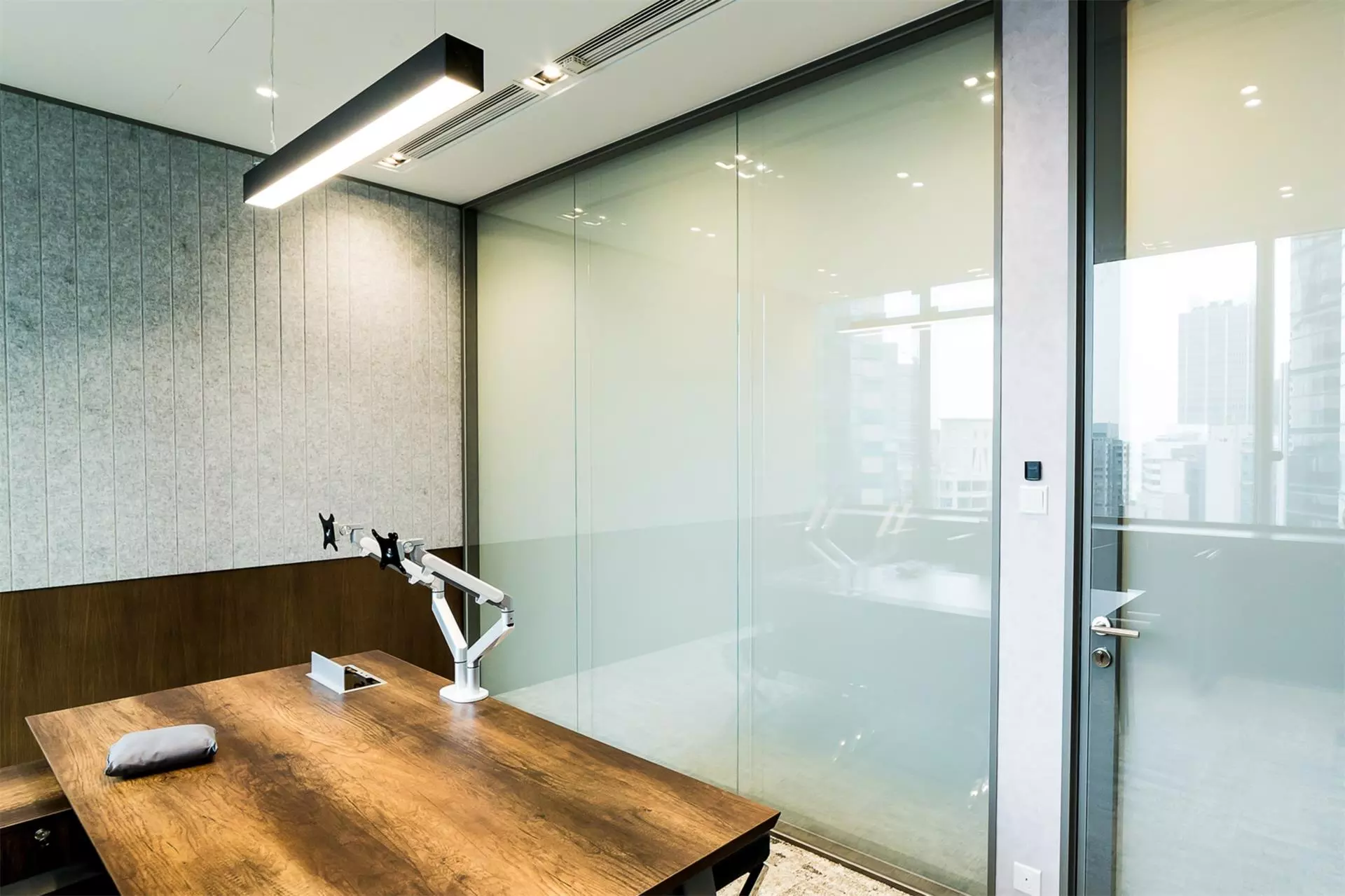

5. Integration with Smart Buildings: Smart switchable glass can be integrated with smart building systems, allowing for automated control over lighting and security. This integration ensures the glass remains relevant and functional as architectural designs evolve.
6. Energy Efficiency: As energy-efficient buildings become more prevalent, smart switchable glass can contribute to reducing energy consumption by optimizing light transmission and heat management, aligning with sustainable design principles.
7. Flexibility in Shapes and Sizes: Smart switchable glass can be fabricated into various shapes and sizes, enabling it to fit into unconventional or complex architectural designs, such as curved surfaces or irregularly shaped windows.
8. Retrofitting Options: For existing structures, smart switchable glass can be retrofitted onto existing windows, allowing them to adapt to new functionalities without major renovations.
Overall, smart switchable glass's adaptability lies in its ability to enhance the functionality, aesthetics, and sustainability of a building, making it a valuable addition to any architectural design project that values innovation and flexibility.
Keywords: smart glass, switchable glass,intelligent glass,electrically switchable glass, electrochromic glass, privacy switchable glass, PDLC Glass, PNLC Glass, Magic glass

